USA Cleveland Casino Downtown Access: The Transit and Parking Reality
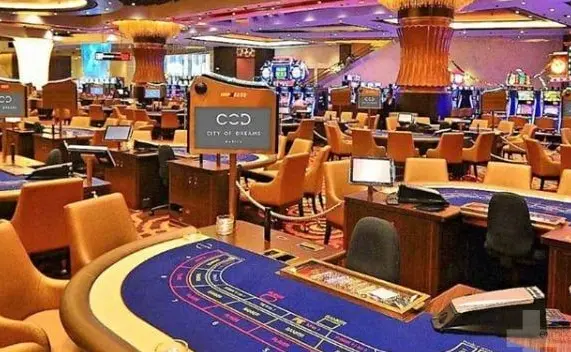
Downtown Cleveland casino access is not a marketing story, it is a logistics problem, and most visitors underestimate the friction between the highway exit and the gaming floor. Jack Cleveland Casino sits inside Tower City Center, which sounds convenient until you realize that convenience depends entirely on which approach vector you choose. 🎰
The single biggest variable in USA Cleveland Casino Downtown Access is the parking decision. The casino-adjacent garage on Ontario Street fills fast on weekend evenings, and when it caps out, drivers get funneled into Tower City ramps that charge premium event rates. Smart players pre-book a spot or use the Prospect Avenue garages and walk two blocks. That walk is the difference between a twenty-minute arrival and a forty-minute crawl through Public Square traffic.
RTA Rail Beats Rideshare on Game Nights
Here is where the Ohio Gaming in USA crowd gets it wrong. When the Guardians or Browns are playing, rideshare surge pricing around Tower City doubles or triples, and the drop-off zone on Huron Road becomes a bottleneck. The RTA rapid lines dump you directly into Tower City without touching street traffic. Waterfront Line, Red Line, Blue and Green lines all converge beneath the complex, which means the casino entrance is a short indoor walk from the platform. No weather exposure, no surge multiplier, no circling the block.
Valet is priced for tourists, not for regulars. If you are running a session longer than four hours, the flat-rate event parking at the Gateway garages pencils out cheaper than hourly casino validation. Do the math before you hand over keys. 🅿️

Pedestrian Flow and Security Screening
The casino floor entry from Tower City is not a straight shot. You pass through a security checkpoint with bag screening, and on high-traffic nights that line backs up into the retail concourse. Seasoned visitors arrive before 6 PM to skip the queue entirely. The screening staff move fast, but throughput is capped by the metal detector count, and that hardware does not scale with demand.
Access from the Ontario Street side is tighter but faster on weekdays. The Prospect Avenue entrance feeds directly toward the north garage elevators and bypasses the main concourse crowd. If you know the building layout, you can shave ten minutes off entry during peak hours. 🚶
Why Downtown Access Shapes the Whole Ohio Gaming Market
The entire Ohio Gaming in USA framework depends on urban access patterns, and Cleveland is the stress test. Four casinos launched statewide, but Cleveland's is the only one bolted into an active transit hub and retail complex. That integration is both the asset and the liability. The asset is foot traffic from commuters and shoppers. The liability is that casino access competes with every other Tower City tenant for the same parking inventory and the same street grid.
Compare the drive-in experience at a suburban racinos and the difference is stark. Suburban properties have surface lots with hundreds of spaces and zero pedestrian conflict. Downtown Cleveland forces every visitor through a shared infrastructure choke point. That is not a flaw in the casino itself, it is the cost of the location.
Data from RTA ridership patterns shows weekend evening boardings spike precisely when casino floor traffic peaks, which tells you the rail option is not a fallback, it is the primary access method for anyone who has done this more than twice. Parking validation receipts at the Ontario garage show a median dwell time of just under three hours, meaning the average visitor is not staying long enough to justify premium event pricing.
If you are planning a serious session, arrive by rail, enter through the Prospect side, and skip the main concourse entirely. The floor does not care how you got there, but your bankroll does.